1. The Core Purpose of the Hack Squat
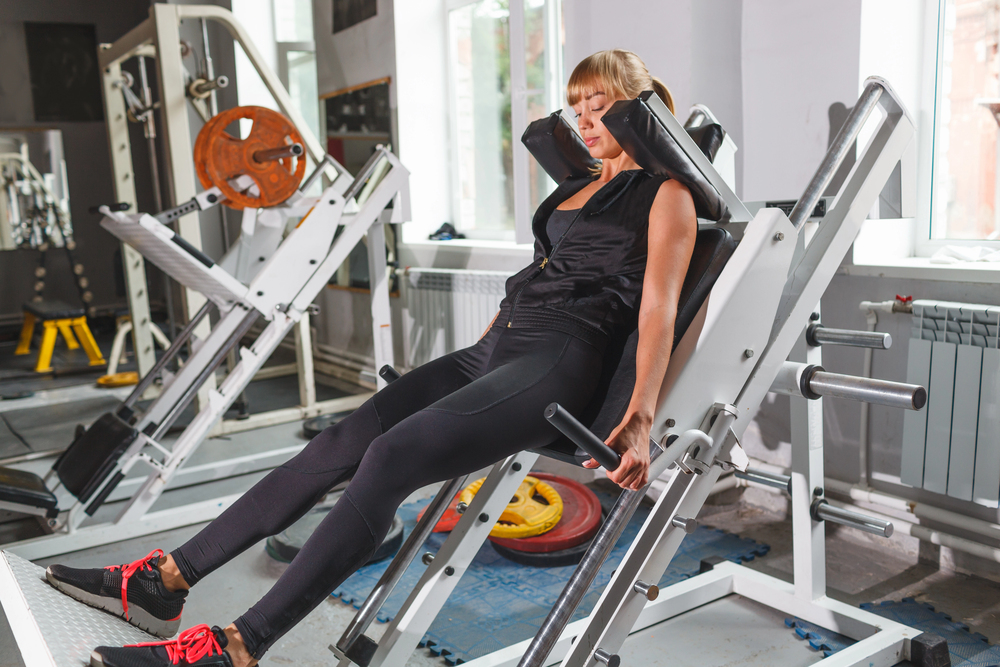
The hack squat is a foundational lower-body exercise designed to strengthen the quadriceps, glutes, and hip muscles through a guided movement path. Many lifters choose it because it allows them to push heavy weight without requiring the balance and stabilization demanded by barbell squats. This increased control makes the squat especially useful for beginners learning the mechanics of lower-body training and for advanced lifters isolating specific muscles. The machine’s structure supports your back and helps maintain ideal posture throughout each repetition. As a result, the hack squat becomes a reliable way to build consistent strength.
This squat variant also reduces unnecessary stress on the spine by eliminating the need to stabilize a barbell across the shoulders. This is especially useful for those who want to target leg development without aggravating chronic back tension. Because the movement path is stable and predictable, the hack squat supports more efficient training sessions with fewer form breakdowns, even at higher intensities.
2. Major Muscles Activated
The primary focus of the hack squat is the quadriceps, which handle the largest share of the workload during descent and ascent. The rectus femoris, vastus lateralis, and vastus medialis engage heavily to stabilize the knee joint and extend the legs. The hack squat also activates the glutes, especially near the bottom range of motion when the hips move into deeper flexion. The adductor magnus contributes to stabilizing the hips and driving upward force during heavier sets.
Although the hamstrings play a smaller role, they still support joint stability throughout the hack squat movement. This combination makes the hack squat especially effective for building a balanced aesthetic in the lower body. The fixed angle of the hack squat machine shifts more emphasis toward the front of the thighs than a standard squat, making it ideal for lifters who want to emphasize quad thickness and definition.
3. Benefits of Adding to Your Routine
One of the greatest benefits of the hack squat is its ability to increase quad isolation without excessive core fatigue. Many athletes struggle with barbell squats because their back or core gives out before their legs reach meaningful stimulus. The hack squat removes this barrier and allows the leg muscles to receive maximum tension. Another benefit is the consistency of the movement pattern, which helps lifters master depth and control while minimizing injury risk. Over time, this leads to improved symmetry, stronger legs, and better athletic performance.
The hack squat also supports progressive overload by enabling precise weight increments. Small increases over time result in measurable strength gains without compromising safety. For aesthetic-focused athletes, the hack squat is a reliable hypertrophy tool because it produces intense quad activation and a powerful muscle pump. The combination of stability, overload potential, and controlled range of motion makes it one of the most productive leg-training exercises available.
Pros
– Excellent quad isolation
– Safer for the lower back than barbell squats
– Consistent and controlled movement path
– Easy to apply progressive overload
– Suitable for beginners and advanced lifters
Cons
– Limited hamstring engagement
– Machine availability varies by gym
– Can place more pressure on knees if foot position is incorrect
– Less carryover to functional movements compared to free-weight squats
4. Key Technique For Safety
Proper technique is essential for maximizing the benefits of the hack squat. Begin by placing your feet slightly forward on the platform, with a shoulder-width stance that allows the knees to track naturally in line with the toes. A forward foot placement helps reduce excessive pressure on the knees. Keep your entire back pressed into the pad and maintain a neutral spine as you descend. Avoid lifting the heels or letting the knees cave inward, as both can increase joint stress.
During each repetition, inhale as you lower into the bottom position and exhale as you drive upward. Maintaining controlled tempo prevents bouncing at the bottom, which can strain the joints. Engage your core and focus on pressing evenly through the entire foot. Executing the hack squat with smooth, deliberate movement ensures safety while generating consistent strength and muscle growth.
5. Common Limiting Mistakes
Many lifters perform the hack squat incorrectly without realizing it. One common mistake is setting the feet too low on the platform, which shifts excessive pressure onto the knees and reduces glute involvement. Another mistake is shortening the range of motion, which prevents the quadriceps from receiving full activation. Some lifters also load too much weight and rely on momentum instead of controlled muscle tension. This not only reduces effectiveness but increases the risk of joint irritation.
Other errors include rounding the lower back, collapsing the knees inward, or using a pace that is too fast to manage safely. Addressing these mistakes enhances the overall impact of the hack squat. A proper setup, moderate weight selection, and strict technique are the most reliable ways to achieve meaningful progress and reduce the risk of injury.
6. Programming Strategies to Maximize Hack Squat Progress
The way you structure your hack squat training significantly influences your long-term results. Beginners should start with two sessions per week using sets of 10 to 12 repetitions to build movement confidence. Intermediate lifters can vary rep ranges between 6 and 12 depending on goals, alternating between heavier strength sessions and higher-rep hypertrophy sessions. Advanced athletes often incorporate slow eccentrics, pauses, or drop sets to increase tension and metabolic stress.
The hack squat also fits well into lower-body days focused on hypertrophy, placed early in the session when energy is highest. Athletes can rotate between hack squat variations across training blocks to prevent plateaus. Whether the goal is building mass, enhancing mobility, or improving athletic power, a structured progression model helps unlock the full potential of the machine squat
Pros
– Fits easily into leg-day programming
– Works well with linear progression
– Adaptable for strength or hypertrophy cycles
– Effective as a primary or accessory movement
Cons
– Monotonous if not programmed with variation
– Requires advanced planning to avoid plateaus
7. Variations of the Hack Squat for Different Goals
Several variations of the hack squat target specific parts of the leg musculature. A narrow stance increases outer quad activation and enhances the sweeping look many bodybuilders seek. A wider stance engages the adductors and glutes more strongly. Adjusting foot placement higher on the platform reduces knee stress and increases hip involvement, while lower placement emphasizes knee flexion and burns the quadriceps intensely.
Tempo variations can also change the training stimulus. Slow eccentrics increase time under tension, while one-and-a-quarter reps intensify the lower portion of the machine squat. Athletes focused on explosive speed may use lighter loads with fast upward drive to strengthen their power output. These variations allow the machine squat to remain highly versatile and adaptable to different training styles.
8. Using the Hack Squat for Conditioning, Power, and Hypertrophy
The hack squat accommodates a wide range of training goals. For conditioning, higher repetitions with controlled pace increase cardiovascular demand while strengthening the lower body. For power development, lower reps with heavier weights and intentional drive from the bottom strengthen force production. For hypertrophy, moderate rep ranges with strict form maximize muscle fiber recruitment.
Supersets, giant sets, and pre-exhaust methods also pair well with the machine squat to increase metabolic stress and intensify the training effect. Athletes in sports requiring strong leg drive often use the hack squat to build foundational power. Whether you aim to increase size, improve athletic ability, or build consistent lower-body strength, the hack squat offers a dependable framework for long-term results.
References
- https://pubmed.ncbi.nlm.nih.gov/30247962/
- https://pubmed.ncbi.nlm.nih.gov/25853914/
- https://pubmed.ncbi.nlm.nih.gov/26887559/