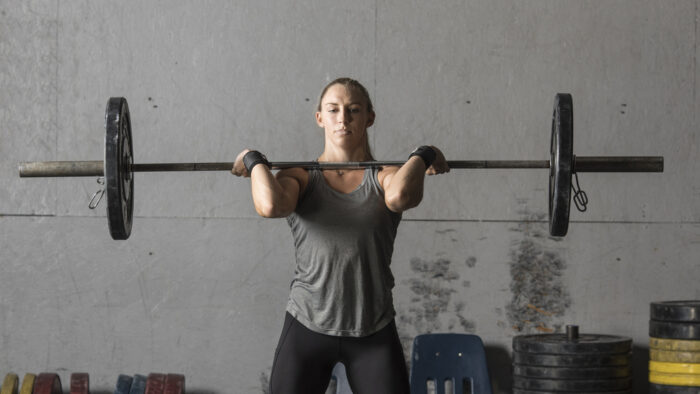
1. Foundations of Powerlifting
Powerlifting for beginners starts with learning the three core lifts—squat, bench press, and deadlift—each designed to measure raw strength. Many newcomers underestimate how important basic movement patterns are before loading heavy weight. Mastering bracing, posture, and controlled tempo prevents bad habits and builds long-term progress. Proper foundations create confidence under the bar and reduce unnecessary plateaus.
In the second phase of building foundations, newcomers should focus on repetition of correct form instead of chasing numbers too early. Strength improves faster when the body understands the mechanics behind every lift. Slow, controlled reps help develop the connective tissues that protect joints from strain. As technique becomes second nature, training becomes more enjoyable, consistent, and safe.
2. Structuring a Weekly Training Plan
Any effective plan for powerlifting for beginners must organize training frequency without overwhelming the nervous system. Three to four sessions per week is usually ideal, allowing enough stimulus while giving time for recovery. Splitting workouts into squat, bench, and deadlift emphasis days builds familiarity with each lift. This structure helps the body adapt to high tension demands over time.
In addition to frequency, beginners benefit from using simple periodization blocks that rotate focus between volume and intensity. Volume blocks build muscle and improve capacity, while intensity blocks sharpen strength and confidence. Planning ahead eliminates guesswork and improves long-term consistency. The more predictable the structure, the easier it becomes to stay committed.
3. Learning Proper Squat Mechanics
The squat is often the most technical lift in powerlifting for beginners, requiring balance, mobility, and consistent bracing. A proper squat begins with foot placement, upright posture, and engaging the core to protect the spine. New lifters should practice hitting depth without collapsing their knees inward. Controlled descent and explosive ascent are key performance indicators.
With routine practice, the squat becomes an efficient full-body strength builder. Focusing on leg drive, hip engagement, and upper-back tension enhances stability. Beginners should avoid copying advanced lifters who use specialized stances or gear. Instead, they should master the fundamentals, which ensures smoother transition into heavier weights later.
4. Mastering Bench Press Technique
Technique for the bench press is important in powerlifting for beginners because it relies on upper-body positioning and tightness. Establishing a stable arch and solid foot drive helps transfer strength into the press. Shoulders must stay retracted to reduce stress and increase pressing efficiency. A steady bar path and consistent touchpoint improve performance.
As technique sharpens, beginners can add variations to address weaknesses. Close-grip benches develop triceps, paused benches improve control, and tempo benches build stability. Avoiding ego lifting keeps shoulders healthy and prevents setbacks. Bench press improvements come from consistent practice and targeted assistance work.
5. Developing a Strong Deadlift
The deadlift is often the most empowering movement in powerlifting for beginners due to its simplicity and raw force production. Proper hip hinge mechanics prevent the lower back from taking unnecessary stress. The lifter must engage the lats, brace the core, and drive through the floor rather than pulling with only the back. Controlled setup creates predictable results.
Beginners can explore both conventional and sumo stances to find which fits their body mechanics best. Using accessory lifts like Romanian deadlifts, hip thrusts, and glute-ham raises builds strength in the posterior chain. Deadlift progress often spikes quickly early on, but maintaining form is the key to long-term success and safety.
6. Accessory Exercises for Balanced Strength
Training accessory movements is essential in powerlifting for beginners to build strength in supporting muscles. Accessories reinforce weak points, increase muscular endurance, and prevent imbalances that limit progress. Rows, lunges, dips, and hamstring work help create stability across the big lifts. A stronger body is a safer body.
Choosing the right accessories should follow a simple structure: push, pull, hinge, squat, and core. This ensures every plane of movement gets attention. Rotating accessory lifts each training block prevents adaptation and keeps progress steady. The balanced approach improves joint health and supports sustainable lifting longevity.
7. Nutrition for Strength Progress
Nutrition plays a vital role in powerlifting for beginners because strength training demands energy and recovery support. Adequate protein intake repairs muscles, carbohydrates fuel training sessions, and healthy fats support hormone function. Proper hydration improves performance and reduces fatigue during heavy training days.
Tracking eating habits helps beginners understand what fuels their performance best. Slowly increasing calorie intake when strength stalls can provide the extra energy needed for progress. Beginners should avoid extreme dieting while training, as recovery becomes compromised. Eating consistently leads to more predictable strength gains.
8. Injury Prevention and Mobility Work
Safety is a major concern in powerlifting for beginners, and mobility work helps prevent common issues. Tight hips, shoulders, and ankles can interfere with proper squat and deadlift mechanics. Dynamic warm-ups increase blood flow, activate stabilizing muscles, and reduce compensation patterns. These habits protect joints and improve training quality.
Injury prevention also includes respecting recovery days and not rushing max attempts. Consistent stretching, proper sleep, and stress management accelerate healing and reduce strain on the nervous system. A preventative approach ensures long-term progress without unnecessary setbacks.
9. Tracking Progress and Staying Motivated
Tracking progress gives structure to powerlifting for beginners by helping lifters measure strength improvements over time. Logging weights, sets, and reps reveals patterns and provides clarity about which programs work best. Beginners often feel more motivated when they see consistent improvements in their lifting numbers.
Motivation increases when lifters celebrate small victories such as better form or smoother reps. Long-term progress comes from patience, consistency, and learning from each training block. Powerlifting becomes more rewarding when goals are revisited and refined regularly, creating a cycle of improvement and confidence.
References
- https://www.ncbi.nlm.nih.gov/pmc/articles/PMC4969036/
- https://journals.lww.com/nsca-jscr/pages/default.aspx
- https://www.frontiersin.org/journals/physiology